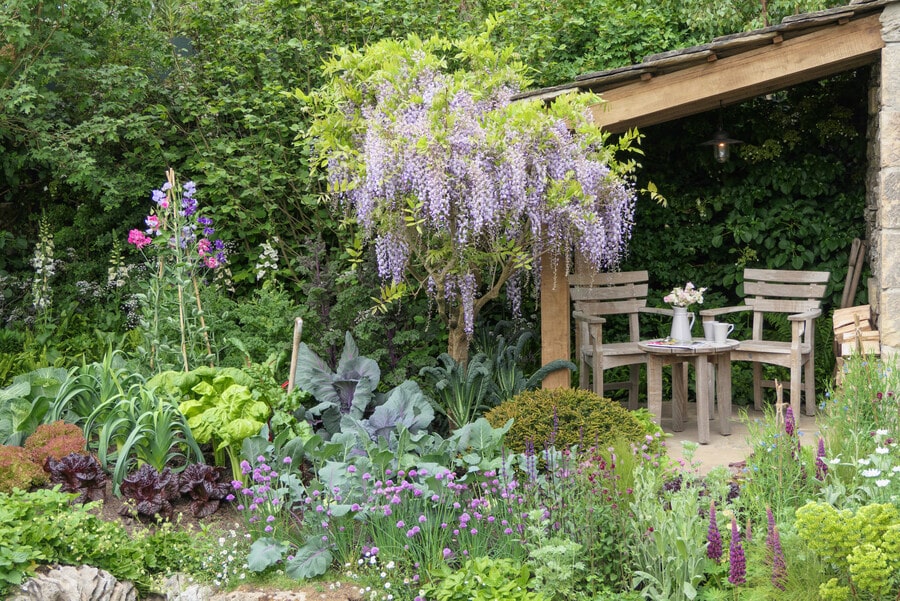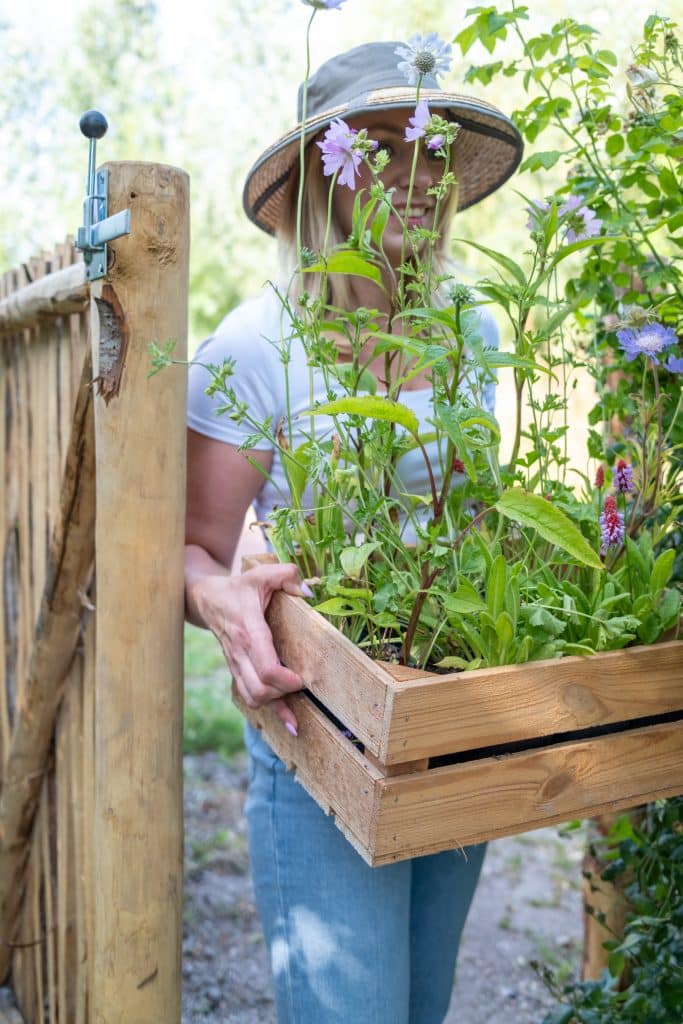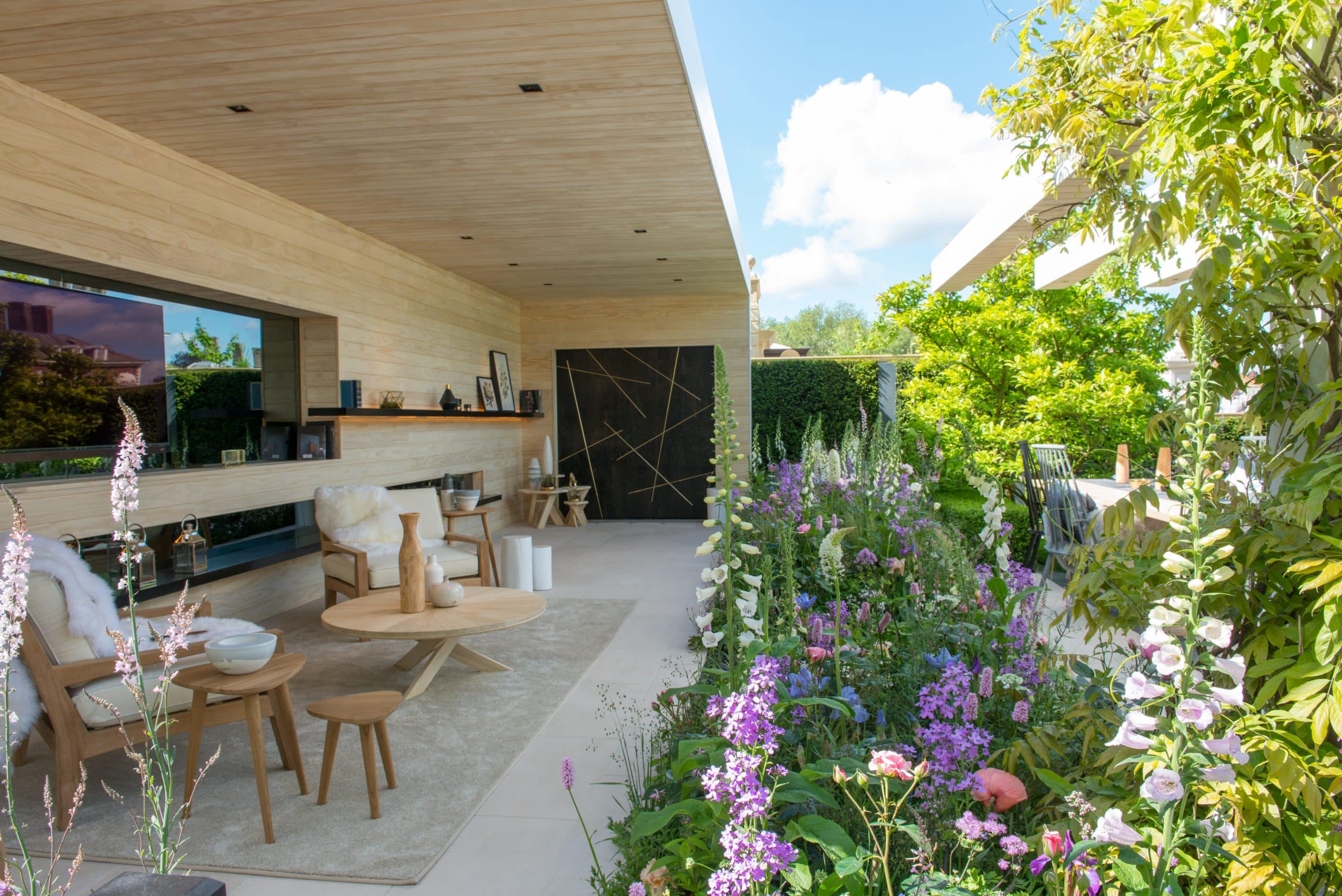

Make your garden truly come alive with wild plants. As soon as the first flowers appear, you can fully enjoy their intense colours. And, of course, the butterflies, bumblebees and bees that are attracted by the flowers. True nature, close to your home!
What does wild mean?
Wild plants are varieties that grow and propagate without human intervention. They thrive in their natural habitat, and have adapted to local circumstances. These perennials naturally occur in areas where they started growing historically, and have adapted to that specific ecosystem.
Buzzing & fluttering
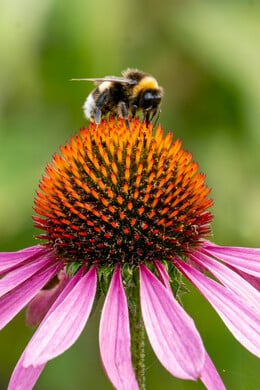
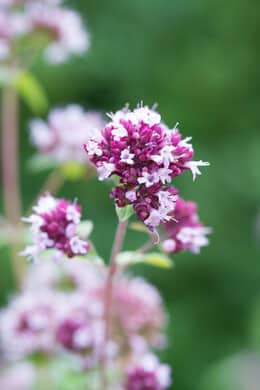
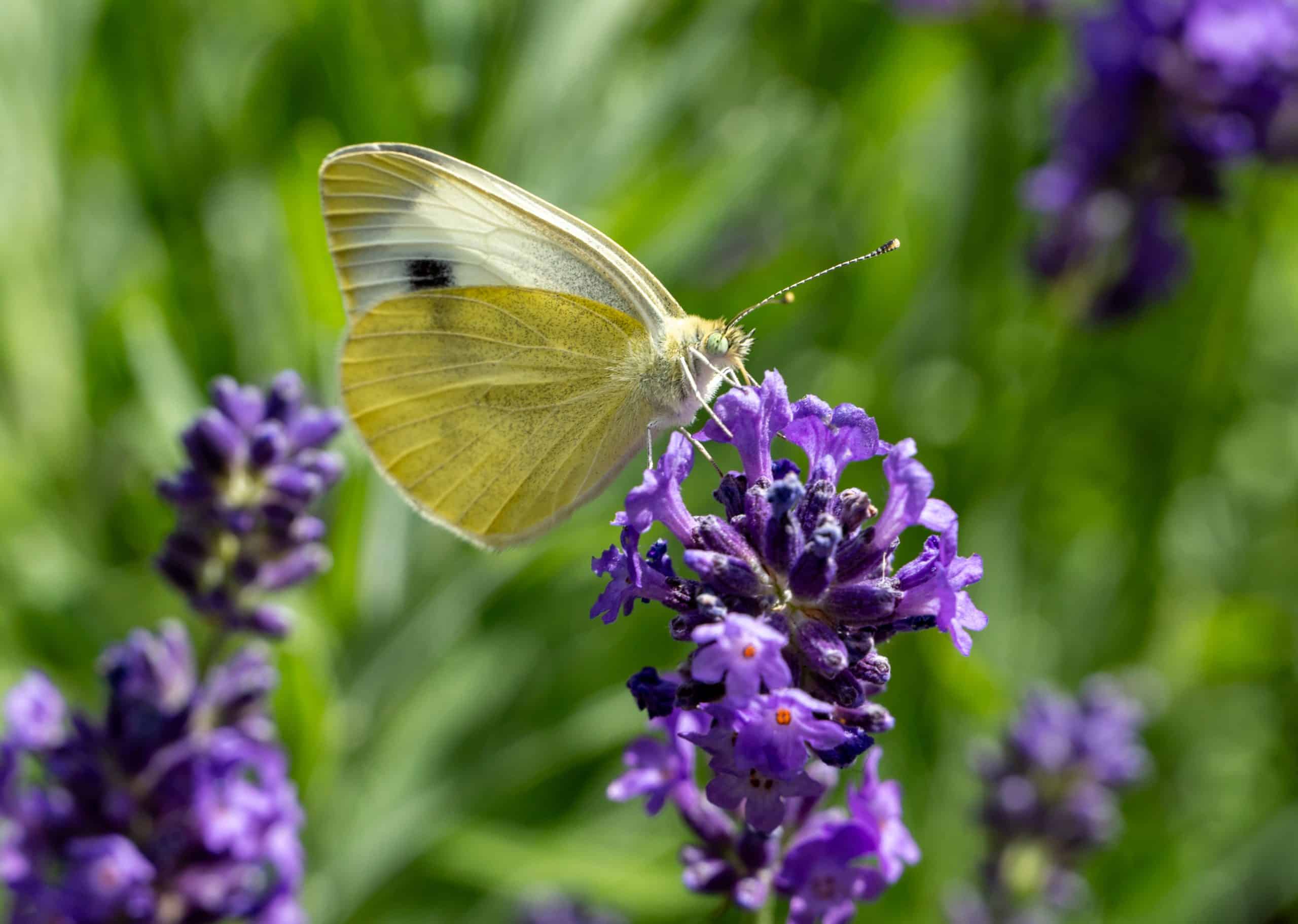
You can use wild plants to create a lovely natural atmosphere in your garden, making it the perfect place to relax and recharge your batteries. At the same time, you will enjoy gentle buzzing, and cheerful fluttering, since wild plants are very popular with wild bees, bumblebees and butterflies. Purple loosestrife (Lythrum salicaria), wild oregano (Origanum) and thoroughwort (Eupatorium), for example, are real bee magnets.
Wild & luscious
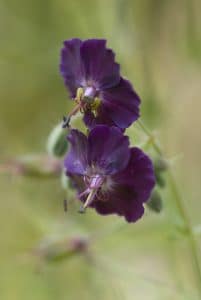
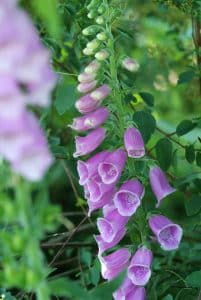
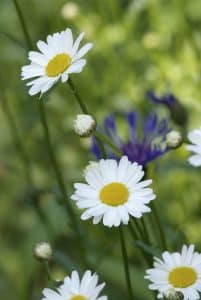
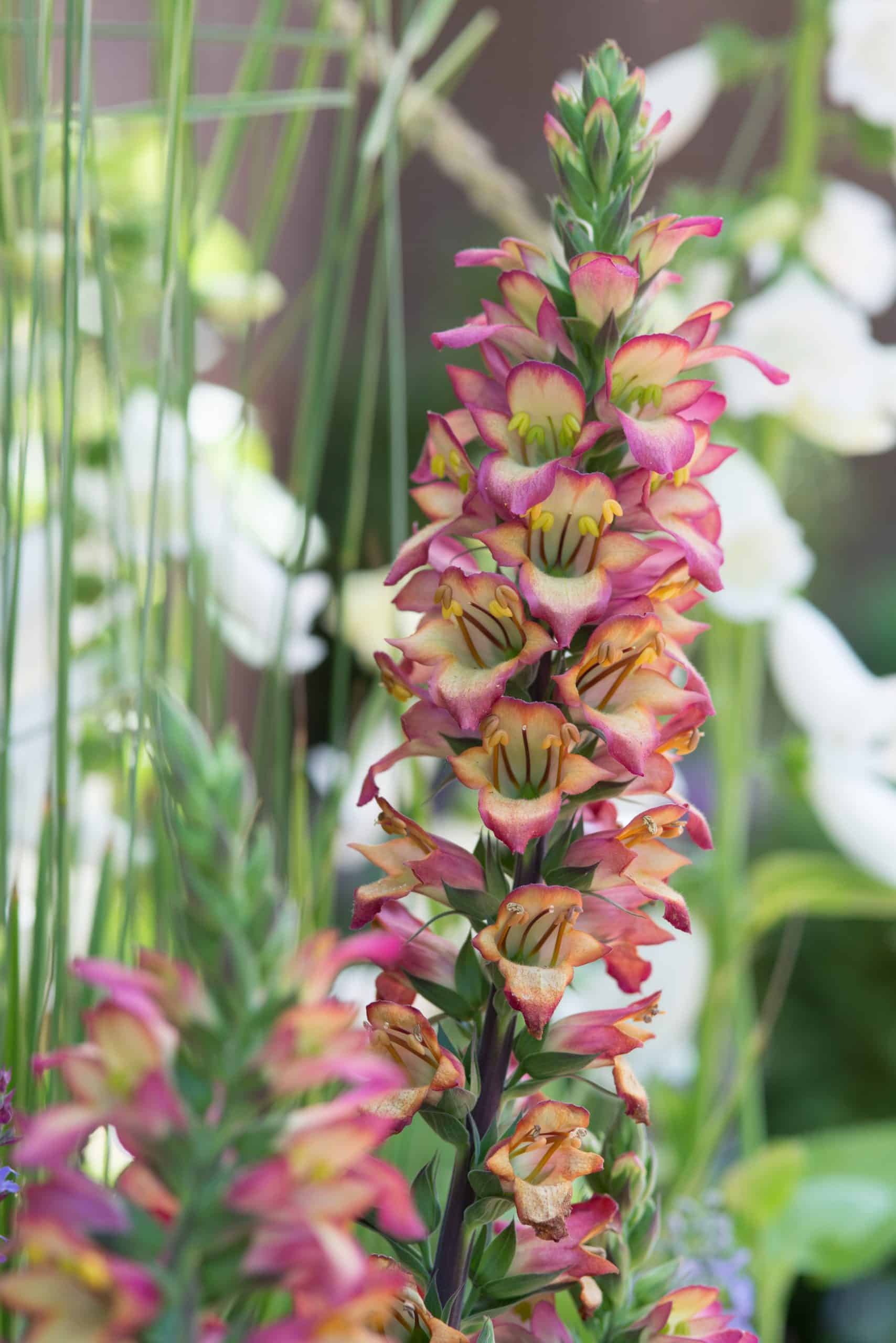
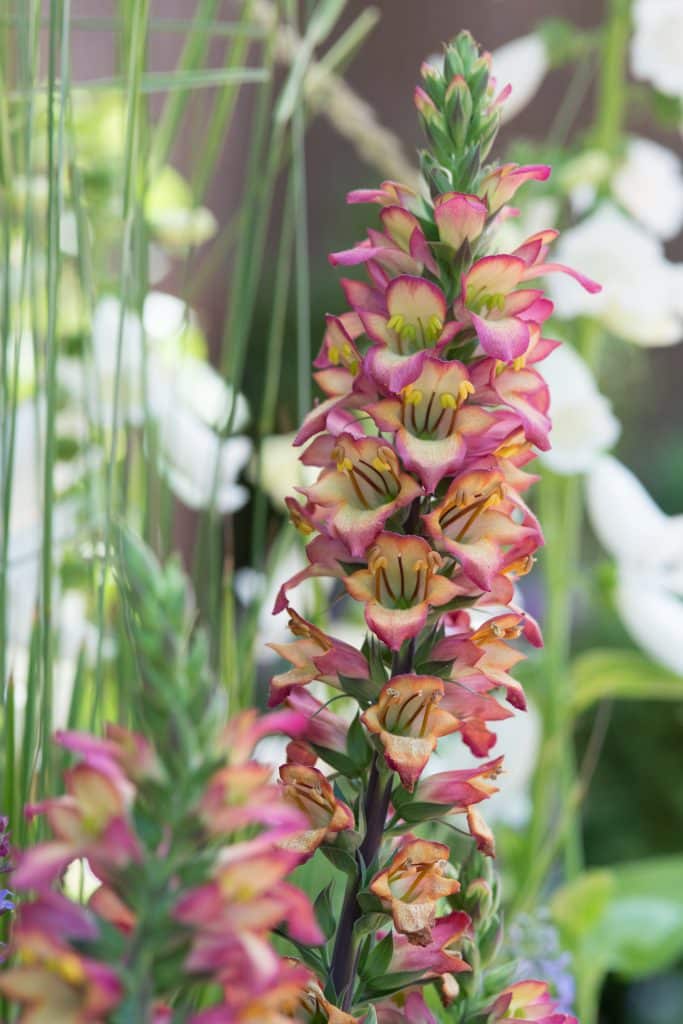
You may well come across wild plants in nature, such as foxgloves (Digitalis), in open spaces in forests. Thankfully, they are also grown in pots, making it very easy to use wild plants in your garden, for example: daisies (Leucanthemum), common columbine (Aquilegia vulgaris), mourning widow (Geranium phaeum) and yarrow (Achillea).
Wild & evergreen
Most perennials will hibernate underground. If you mix it up with some evergreen plants, you will still enjoy some colour in your garden in winter. Here are a few examples of evergreen wild plants: dead nettles (Lamium) and Carthusian pink (Dianthus carthusianorum). If you are looking for an evergreen perennial, that will give ground cover in no time at all, bugleherb (Ajuga reptans) is your best bet.
Tips & ideas
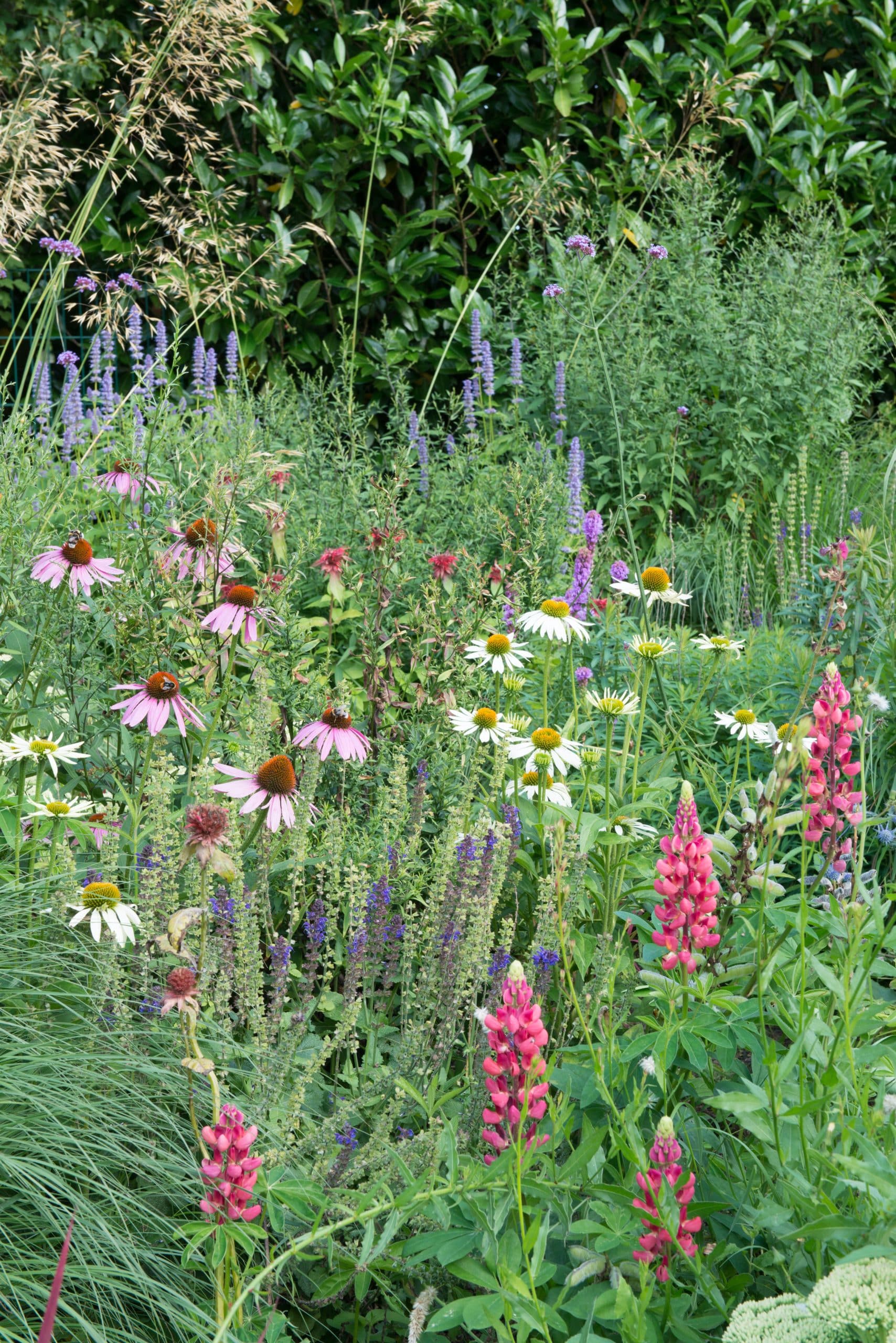
- Vary with different colours, flower shapes and heights to create a natural atmosphere in your garden.
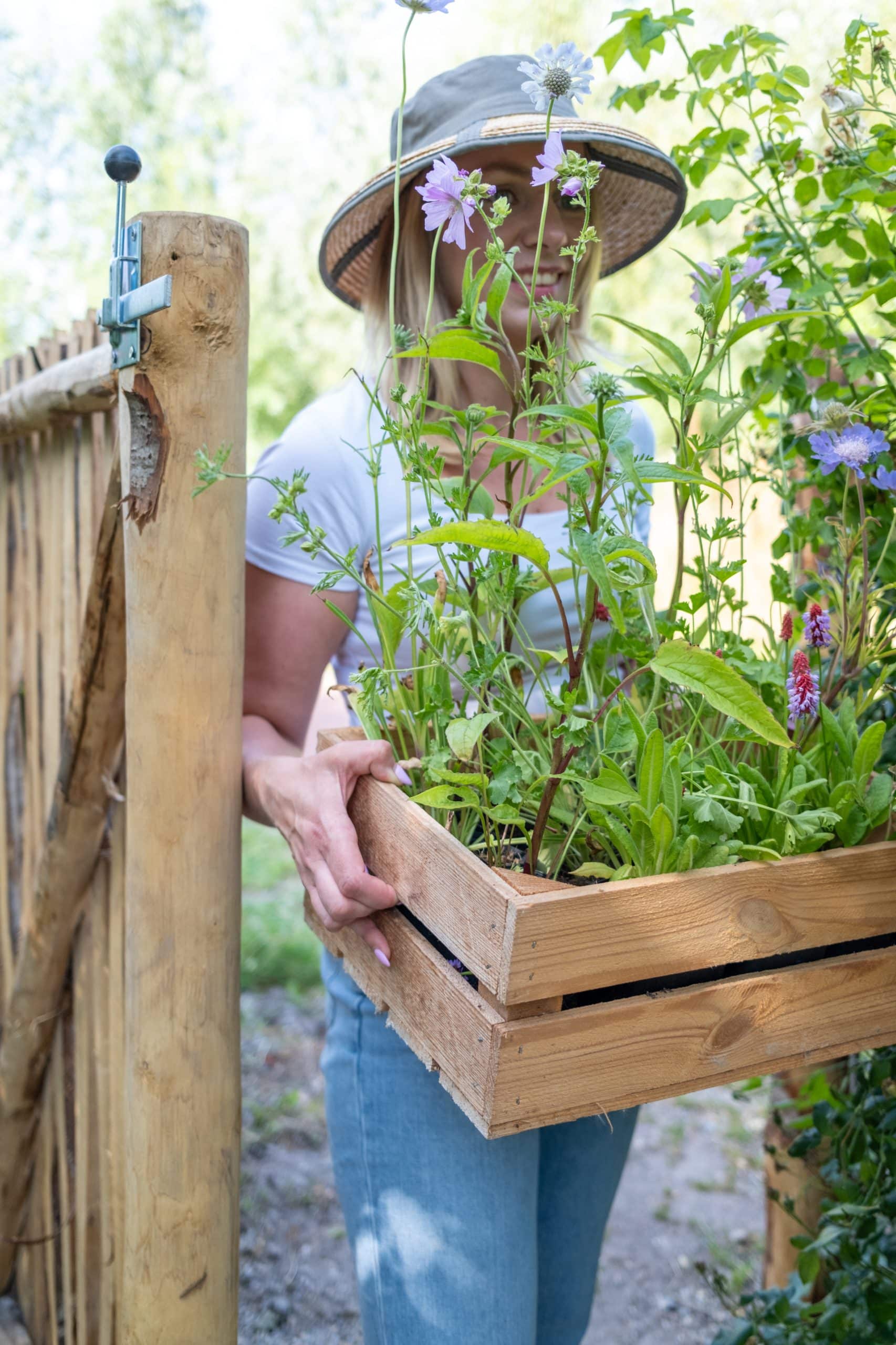
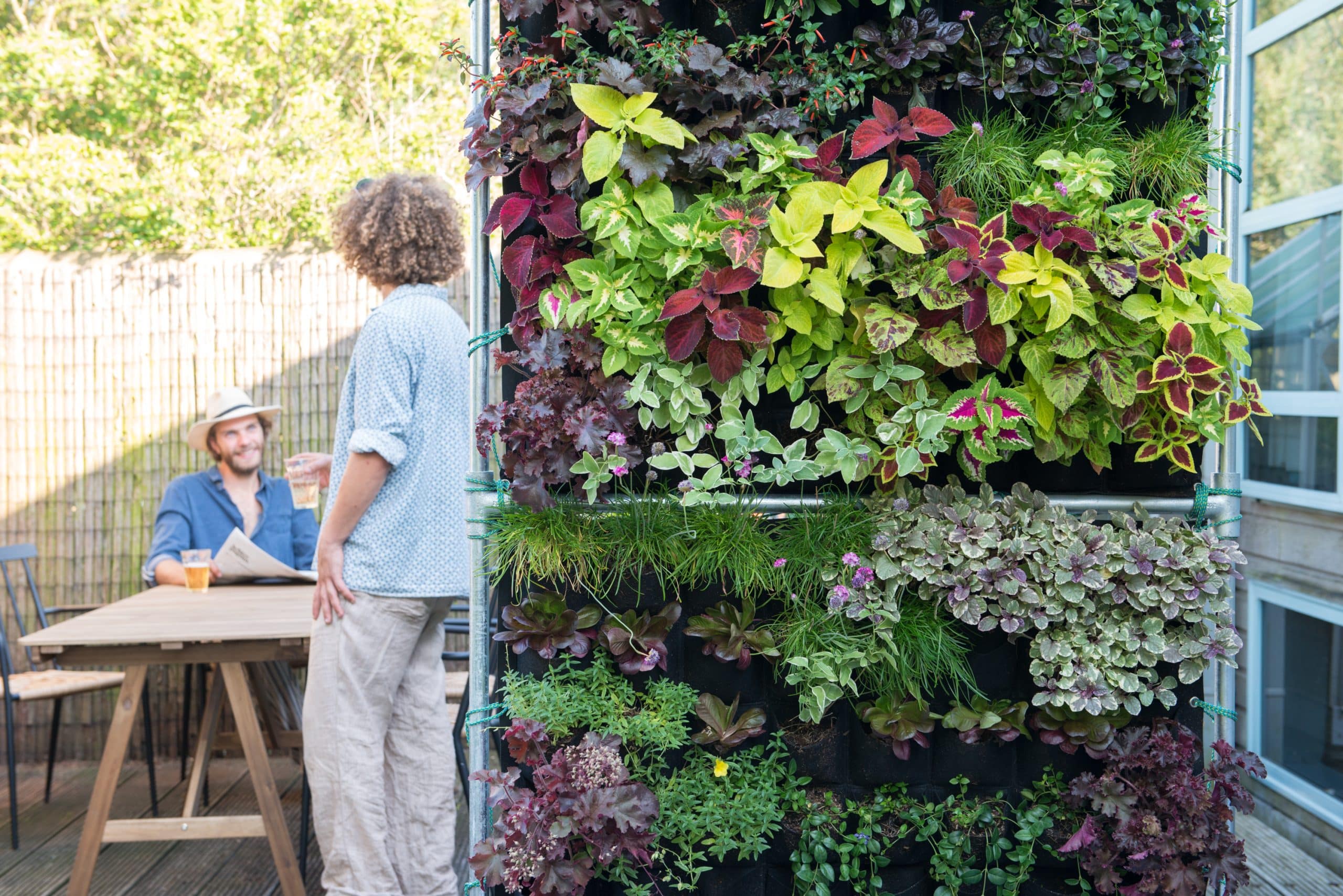
- You can also use wild perennials to create a luscious display of wild flowers on your balcony or roof terrace.
- Use one or a few wild plants to make a sleekly designed garden a little bit more lively.
- Do not cut perennials back in autumn. Lots of useful insects will be hibernating in between the fallen leaves and in hollow stems. Cutting back is best done in early spring, just before the first fresh greenery of spring appears.